
Blog

The Hidden Costs of “Green Energy”:

Joanna Stanescu • May 12, 2025

Share this article

The Negative Health Effects of Wind Turbines

When we think of wind turbines, we often picture graceful, towering structures spinning peacefully against the backdrop of open fields or ocean waves. They have become the global symbol of “clean energy” and an urgent solution to climate change.

But there’s a growing body of evidence and testimony from people around the world that challenges the idyllic image of wind energy as completely harmless. While wind turbines may reduce carbon emissions, they come with real, measurable health risks for people living near them.

This is a conversation that needs to happen.


What Is Wind Turbine Syndrome?

In 2009, Dr. Nina Pierpont coined the term “wind turbine syndrome” to describe a constellation of symptoms reported by people living near large-scale wind farms. Though still debated within some scientific and industry circles, the experiences of affected communities are difficult to dismiss.

Commonly reported symptoms include:

  • Sleep disturbances and insomnia
  • Headaches and migraines
  • Dizziness and vertigo
  • Tinnitus (ringing in the ears)
  • Increased anxiety and depression
  • Heart palpitations
  • Cognitive dysfunction (difficulty concentrating, memory loss)

What makes these symptoms particularly troubling is their consistency across countries and proximity to wind farms .


The Culprit: Infrasound and Low-Frequency Noise

The mechanical motion of wind turbines generates not just audible noise, but also low-frequency sound waves and infrasound (below the threshold of human hearing).

Research suggests:

  • These low-frequency vibrations can travel through walls, windows, and even the ground.
  • They may disturb the body’s equilibrium and internal organ function in subtle but chronic ways.
  • Prolonged exposure can disrupt the nervous system and hormonal balance, leading to a wide range of symptoms.

Infrasound is particularly problematic at night , when ambient noise levels drop and the constant low-frequency thrum becomes impossible to ignore.


Sleep Deprivation: The Hidden Public Health Crisis

Perhaps the most well-documented issue linked to wind turbines is chronic sleep disturbance .
Lack of sleep is no small problem. Studies connect sleep deprivation to:

  • Increased risk of hypertension
  • Heart disease
  • Stroke
  • Diabetes
  • Cognitive decline
  • Heightened anxiety and depression

The World Health Organization (WHO) classifies noise above certain decibel levels as a public health risk. Residents near wind farms frequently report sleep disruption even when decibel levels fall within regulatory limits.

Why? Because low-frequency noise and vibration are not well accounted for in traditional noise standards.


Psychological and Emotional Stress

For many rural residents, the arrival of massive wind farms has brought:

  • Visual intrusion on once-pristine landscapes
  • Loss of property value
  • Loss of community trust , especially when local governments approve projects against citizen protests

The feeling of powerlessness and ongoing health effects lead to chronic emotional distress, which can further worsen physical health.


Wildlife and Environmental Impacts

While not directly a human health effect, it’s worth noting:

  • Wind turbines kill hundreds of thousands of birds and bats annually, some of which are endangered species.
  • The loss of biodiversity has ripple effects on ecosystem health, which ultimately impacts human well-being.


Is Wind Energy Worth the Human Cost?

The renewable energy movement must face a hard truth:
Clean energy cannot come at the expense of human health and human rights.

Communities near wind farms deserve:

  • Transparent health studies
  • Honest environmental impact assessments
  • Buffer zones that prioritize human health over profits
  • A voice in decisions that affect their lives and property

At its best, environmentalism should respect both the planet and the people living on it.


Conclusion: A Call for Balance and Better Alternatives

The goal of reducing fossil fuel dependence is noble and necessary. But ignoring the health effects of wind turbines is both unethical and dangerous.

We must seek solutions that prioritize:

  • Decentralized energy sources (like residential solar + storage)
  • Stronger regulatory standards for noise and vibration
  • Genuine community input in energy development plans

The transition to renewable energy must be guided by compassion, fairness, and an unwavering commitment to human health.

Wind energy may be part of the solution, but it cannot be treated as a sacred cow immune from scrutiny.

No one should have to sacrifice their health for someone else’s idea of “green progress.”

Recent Posts

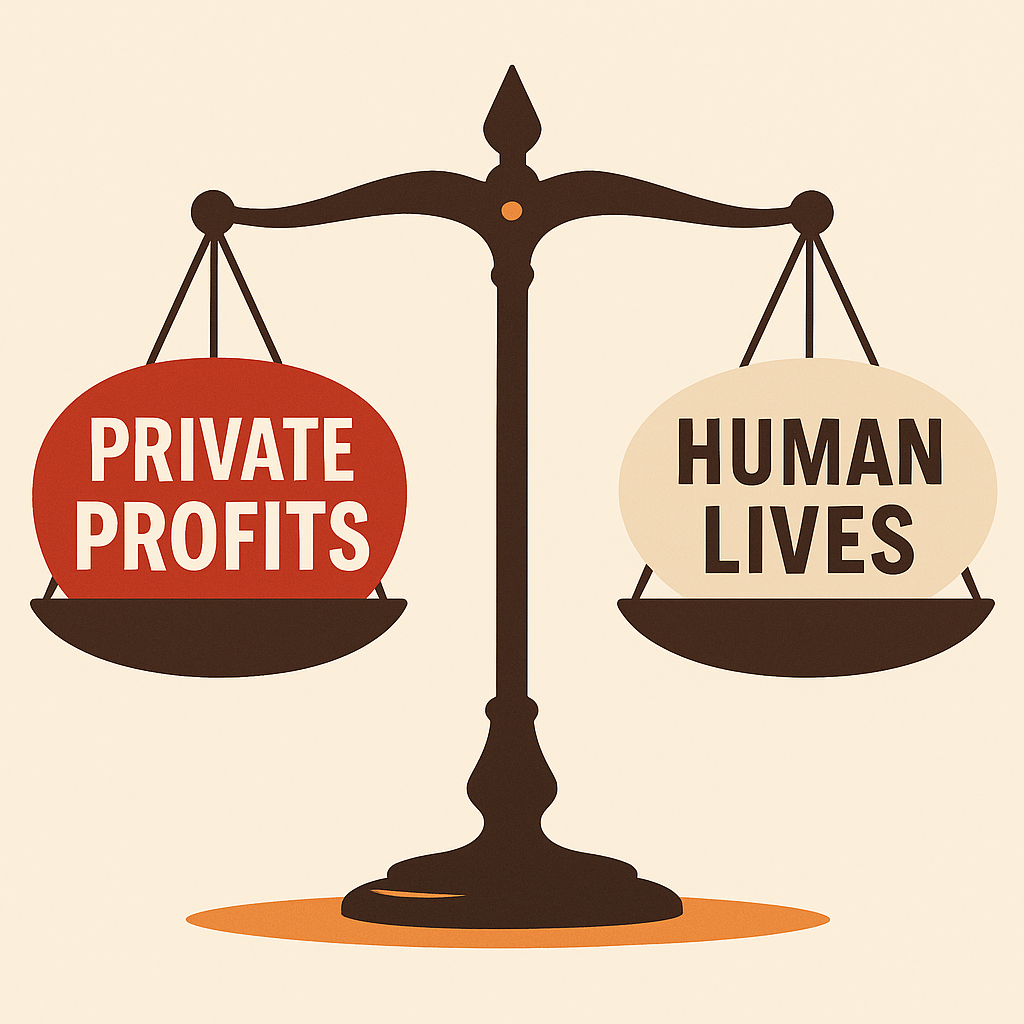
Balance scale labeled “Private Profits” versus “Human Lives,” showing profit outweighing people’s lives
By Joanna Stanescu • May 11, 2025
Why It’s Time to Dismantle the Insurance Industry and Guarantee Universal Care for All Everywhere we look — public parks, paved roads, schools, emergency services — we see examples of […]

Fantasy night landscape with glowing moon, woman in white, and swirling neon snakes in a flowered field
By Joanna Stanescu • March 13, 2025
The full moon in March, known as the Worm Moon, marks the beginning of spring—when the earth starts to thaw, and life beneath the soil stirs awake. Worms, those essential […]

Illustration of a blue colon with water flow and the text “COLON HYDROTHERAPY AS COLONOSCOPY PREP”
By Joanna Stanescu • February 22, 2025
For anyone who has undergone a colonoscopy, the most dreaded part is often the preparation—drinking liters of laxative solution, enduring hours of discomfort, and hoping the cleanse is thorough enough […]

Stylized glowing brain surrounded by circuits, nodes, and waveform graphics on a dark background
By Joanna Stanescu • February 18, 2025
Methylene blue might sound like something straight out of a chemistry lab, but this little-known compound has been making waves in the world of medicine and biohacking. Originally used as […]

Turmeric powder in a bowl with roots, spoon, and steaming tea on a warm golden table
By Joanna Stanescu • February 17, 2025
Turmeric has surged in popularity over the last decade, finding a cherished spot in kitchens around the world. But did you know this golden spice has been revered for thousands […]

Logo reading “The Poop Doctor” and “Perfect Poop Chart,” with a cartoon poop icon and medical cross.
By Joanna Stanescu • February 16, 2025
Have you ever found yourself sitting in a doctor’s office, seeking help for digestive discomfort, only to be handed the infamous Bristol Stool Chart? This widely used medical tool categorizes […]

Split cityscape showing warm orange and cool blue urban streets at night, divided down the middle.
By Joanna Stanescu • February 15, 2025
For centuries, lighting technology has shaped the way we live, work, and even sleep. From the warm glow of incandescent bulbs to the efficiency of LEDs (Light Emitting Diodes), advancements […]
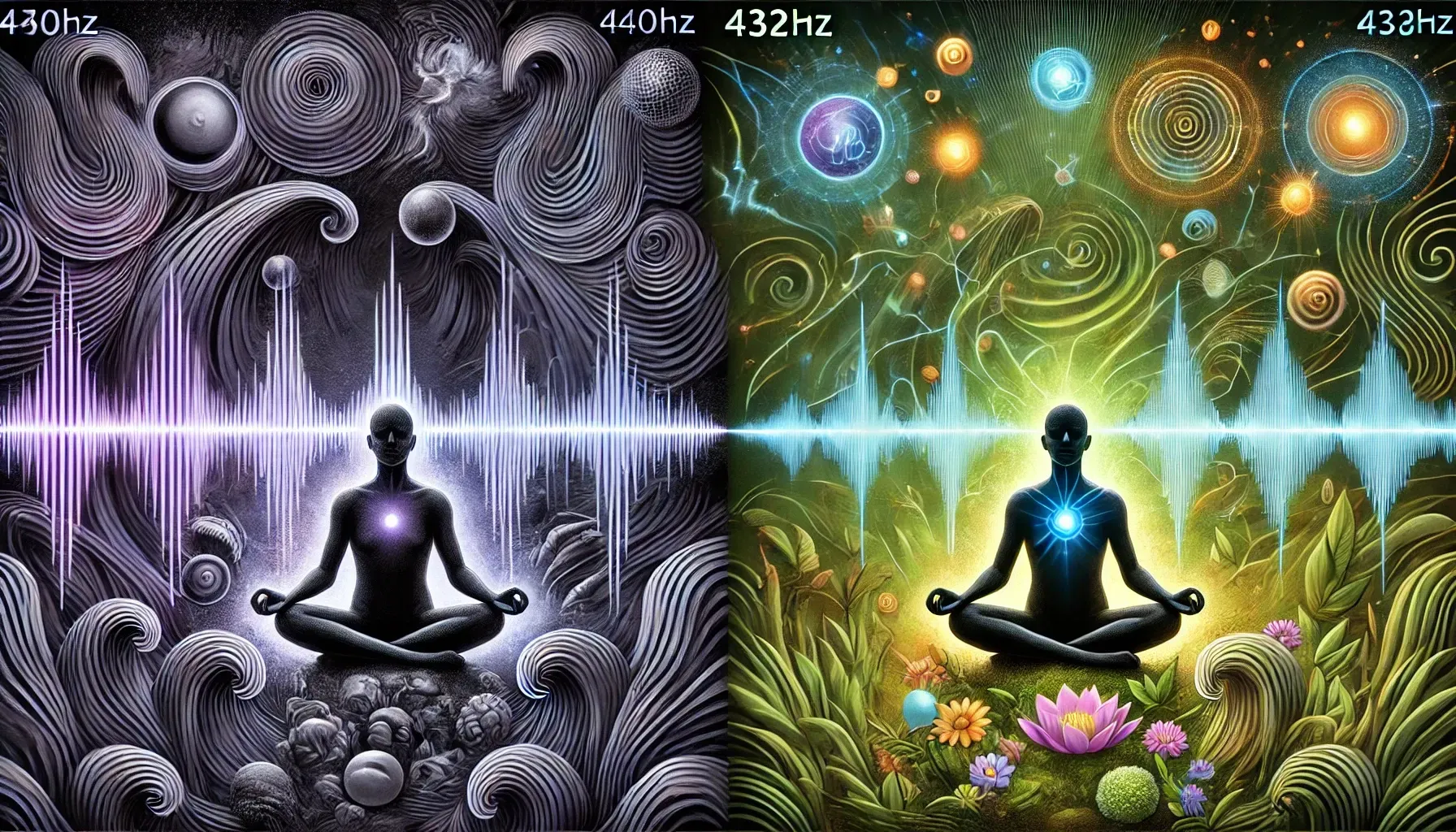
Split image of meditating figure amid purple and gold cosmic patterns with glowing soundwave across the center
By Joanna Stanescu • February 14, 2025
Music has always had the power to move us, heal us, and connect us. But beyond its emotional and spiritual impact, the frequency at which music is tuned also plays […]
Text poster reading “The Dangers of Chewing Gum,” with a young woman blowing bubble gum in neon pink and blue lighting
By Joanna Stanescu • February 13, 2025
Chewing gum has been a part of human culture for centuries, with its origins tracing back to the Mayans, Aztecs, and even the ancient Egyptians. In its earliest forms, gum […]
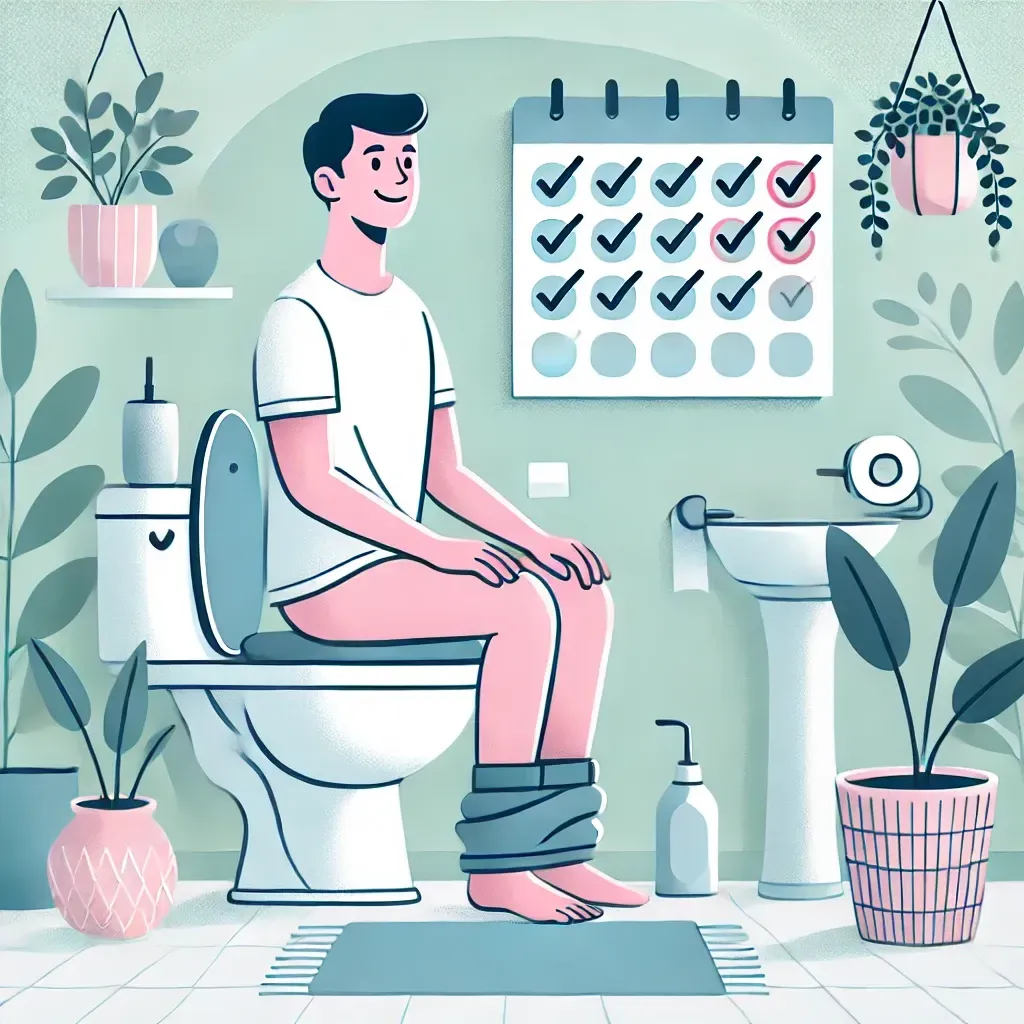
Person sitting on a toilet beside a checkmark calendar, bathroom plants, and hygiene items
By Joanna Stanescu • February 12, 2025
When someone is asked if they’re “regular,” the response is almost always a confident “yes.” But what does “regular” really mean? Talking about bowel movements is such a taboo topic […]

Show More